17 June 2026

6 min read

The SaaS Guide to SOC 2: How to Unlock Enterprise Deals Without Stalling Development?

Łukasz Ratajczyk

CTO

Linkedin

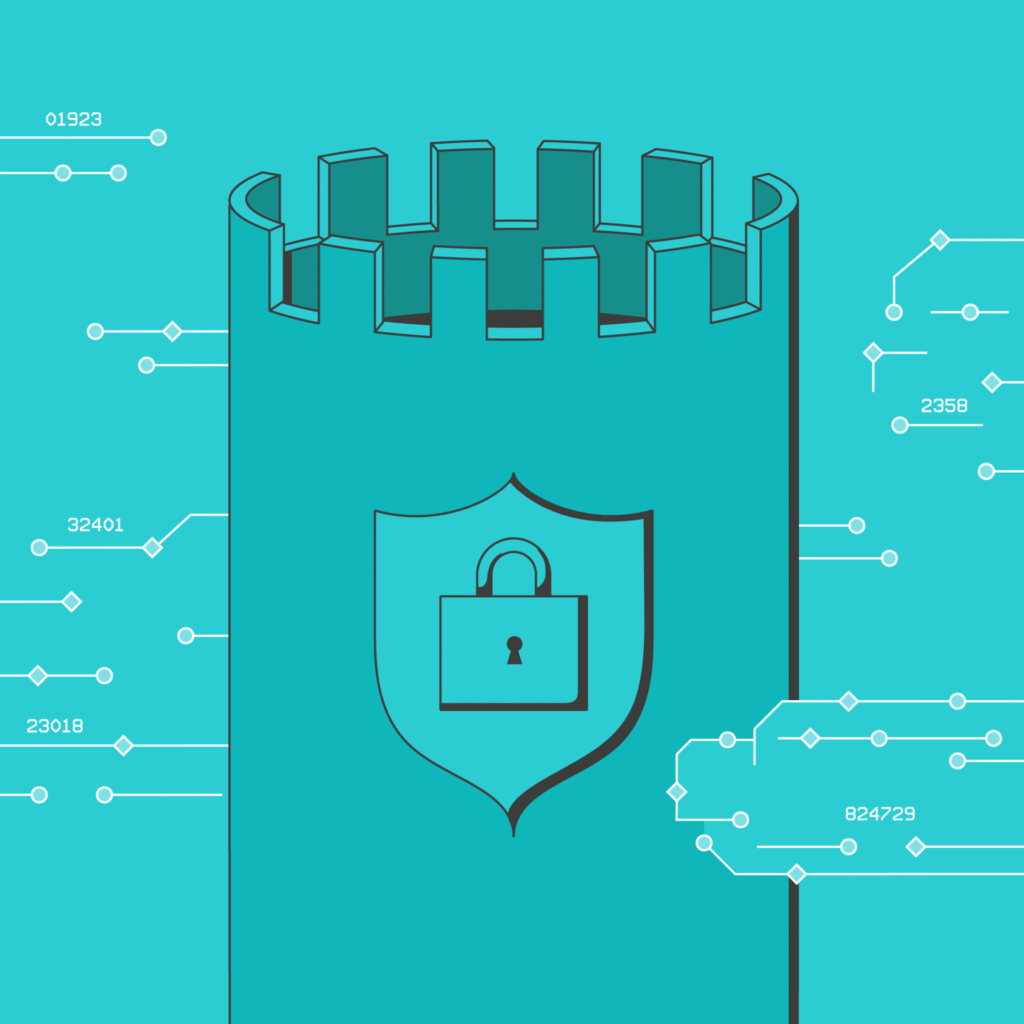
SaaS security and SOC 2 compliance concept showing cloud infrastructure, audit readiness, and enterprise trust

Imagine your sales team just landed a demo with a Fortune 500 prospect. The product-market fit is perfect, the stakeholders are excited, and the deal size could double your Annual Recurring Revenue (ARR). Then comes the momentum killer: a request for your SOC 2 Type 2 report.

In the world of Enterprise SaaS, security is no longer a footnote in a technical doc—it is a core product feature. Without the right certification, your sales team is forced to play defense, manually filling out spreadsheets while your competitors flash their “security badges” to skip the line. This creates a toxic cycle where Sales is frustrated by delays and Engineering is pulled away from the roadmap to play “audit catch-up.”

But SOC 2 doesn’t have to be a trade-off between speed and security. By shifting from manual checklists to automated evidence collection, you can transform compliance from a bureaucratic hurdle into a revenue accelerator. This guide is about moving past the “Security Limbo” and building a cloud architecture that handles the audit in the background, so you can focus on scaling your product.

Why Is SOC 2 Considered the “Ticket to Play” in Enterprise SaaS?

SOC 2 is the industry-standard framework that proves your SaaS handles customer data with enterprise-grade security. For Sales teams, it acts as a “Ticket to Play” because most Tier-1 procurement departments and banks will not even begin contract negotiations without a valid SOC 2 Type 2 report. It transforms cybersecurity from a hidden technical detail into the final entry ticket for a signed contract.

How SOC 2 shortens the Enterprise sales cycle?

In high-value sectors, a security audit often feels like a brick wall. When you are inches away from a significant deal, the client sends a massive security questionnaire; if your response is slow or vague, the momentum dies. Proactively achieving SOC 2 removes this “security friction.” Instead of explaining security gaps, your team provides a pre-verified report, clearing the path to a faster close.

Moving beyond the “Vendor Risk Assessment” bottleneck

Relying on the memory of a single staff member to answer vendor assessments is a liability. This “Hero Culture”—where stability depends on one person—is a major red flag for auditors. By having a pre-verified security roadmap, you replace manual guesswork with repeatable certainty. This allows you to move from being “just another vendor” to a trusted enterprise partner.

The Sales Silencer

Use these responses to bypass common security objections during discovery calls:

  • Client Objection: “We need to see your security protocols before we can move to a pilot.”
  • Your Response: “We operate on a SOC 2 compliant framework. I can provide our latest audit report and a link to our Trust Center immediately to speed up your procurement process.”
  • Client Objection: “How do we know our data is safe in a multi-tenant environment?”
  • Your Response: “Our architecture uses automated isolation verified by SOC 2 standards, ensuring your data stays siloed and secure without manual intervention.”

SOC 2 vs. ISO 27001: Which Security Certification Path Should You Choose?

The choice depends on your target market: SOC 2 is the gold standard for North American SaaS markets and cloud-native startups, while ISO 27001 is a globally recognized management standard often preferred in Europe and by traditional industrial sectors.

Providing a strategic comparison helps leadership decide where to invest first. If your roadmap involves US-based venture capital or Silicon Valley customers, SOC 2 is your priority. If you are targeting European government or manufacturing sectors, ISO 27001 carries more weight.

FeatureSOC 2 (Type 2)ISO 27001
Market FocusNorth America, Cloud-SaaS, TechGlobal, Europe, Traditional Industry
Audit DepthFocuses on proving operational controls over time.Focuses on a formalized management system.
Time to Achieve6-12 months (includes observation period).9-18 months (heavy documentation).
case study

See Secure Cloud Automation in Practice

High hardware maintenance costs and long setup times were slowing down AI development at PSI Software. By deploying a flexible cloud platform with Tenesys, the company can now spin up expensive resources exactly when they are needed. The result? A ready-to-use test environment in 15 minutes, infrastructure that supports fast delivery, and greater control over operational risk.

Want to build the same level of speed and control into your SaaS platform?

Can You Achieve SOC 2 Type 2 Audit Preparation Without Slowing Down Engineering?

Yes, by shifting compliance “left” into your automated infrastructure. Instead of manual screenshots and procedural roadblocks, modern SOC 2 preparation uses Evidence Automation within your CI/CD pipeline. This allows developers to keep deploying while the system automatically gathers audit logs in the background.

Replacing manual screenshots with automated OPA Gatekeepers

Manual security checklists create friction. Every time IT handles a status change manually, it creates “configuration drift.” This inconsistency is a red flag for auditors. By treating infrastructure as code, you verify every change in a virtual sandbox. Open Policy Agent (OPA) gatekeepers automatically block non-compliant code from deploying, maintaining your security posture without human intervention.

Integrating security checks into the Kubernetes pipeline

You can stop treating each client audit as a crisis. Integrate continuous scanning directly into Kubernetes. Every configuration change is tracked and logged automatically. If a client asks about data isolation, you point to automated protocols that prove your multi-tenant security is baked into the code, not just a promise in a PDF.

How SOC 2 Impacts Your Unit Economics and Company Valuation?

Beyond closing deals, SOC 2 improves your Gross Margin and valuation by reducing the “Risk Discount” applied by investors. Efficient compliance reduces the Cost of Goods Sold (COGS) by automating security tasks that would otherwise require hiring expensive, hard-to-find security engineers.

When you automate your compliance posture, you stabilize the budget. Filtering system noise at the source reduces the manual labor required to maintain certifications. This allows your team to focus on building features that drive EBITDA rather than “fire-fighting” audit requests.

The Bottom Line

  • Lost Deal Cost: Millions of dollars in stalled Enterprise revenue.
  • Manual Compliance Cost: Inflated COGS from hiring multiple security engineers.
  • Automated SOC 2 ROI: Higher valuation multiple and zero stalled sales cycles.
our service

Turn Security Readiness Into a Sales Accelerator

Enterprise deals should not stall because your team is chasing screenshots, security questionnaires, or undocumented infrastructure changes. If compliance evidence lives in spreadsheets and tribal knowledge, every audit becomes a burden for Sales, Engineering, and leadership. With a structured security audit and risk analysis, you can identify SOC 2 readiness gaps, prioritize technical fixes, and build a clear roadmap toward enterprise-grade trust without slowing product development.

Check out our service:

The 3-Step Roadmap to a “No-Friction” SOC 2 Audit

A frictionless audit requires a Gap Analysis to identify technical debt, the implementation of automated security controls (Secure by Design), and a readiness review to ensure your “Trust Center” is populated.

  1. Step 1: The Technical Gap Analysis. Identify undocumented system tweaks that widen the gap between your “as-built” and “as-maintained” systems.
  2. Step 2: Automating Control Implementation. Wrap legacy logic in a modern deployment layer. Inject security checks directly into your CI/CD workflows so compliance happens “in the background.”
  3. Step 3: Creating your Public Trust Center. Stop filling out spreadsheets manually. Centralize your documentation in a public-facing portal to deflect security questionnaires and accelerate sales.

Stop Losing Deals to “Security Limbo”


Every day spent manually filling out spreadsheets is a day your revenue is stalled. Tenesys acts as your Strategic Growth Partner, taking the technical burden of SOC 2 off your team so you can focus on building features while we handle the “Enterprise-ready” infrastructure.
Is your sales cycle stalled by security questionnaires?

Don’t let a missing certificate kill your biggest deal of the year. Book a “Sales Accelerator” Gap Analysis with Tenesys today. We’ll map your current infrastructure to SOC 2 requirements and give you a technical roadmap to becoming Enterprise-ready in weeks, not months.
Get Your SOC 2 Roadmap

Łukasz Ratajczyk

Łukasz Ratajczyk

CTO

CTO with 12 years of experience across various industries. Specializes in optimizing cloud environments and modernizing infrastructure. A certified cloud architect, he leads a team of experienced DevOps engineers at Tenesys. Outside of work, he is a traveler and mountain biker.

Linkedin